

Keep property-transition context outside the current equipment record
An end of lease solar asset removal conversation can include a lease date, make-good discussion, property transfer, planned fit-out and a long asset history. Those facts can matter to the people managing the transition, but they do not describe a current collection scope. The narrow question for a post-removal enquiry is different: which equipment has appropriately qualified people already safely removed and made available for ground-level handover, where is it reported to be now, and what is honestly known about it?
Keep the present equipment record factual and limited. For each disclosed group, note its category and unit, supported current quantity, broad visible observation if already available, ground-level point, known access facts, a contact who can clarify those facts and what remains unknown. A lease or handover date is a timing preference or project context, not an acceptance decision, collection date or reservation. ReSova can review the stated Sydney or selected-NSW scope and discuss availability; the record does not settle property obligations, ownership, permission or any downstream result.

Use separate lines for current equipment, history, future work and unknowns
| Record line | Useful treatment in an enquiry | Do not infer |
|---|---|---|
| Current ground-level group | State the disclosed category/unit, supported present quantity, reported point, visible facts, access facts and fact contact. | Eligibility, price, a vehicle, route, time, booking or collection. |
| Lease, property or handover context | Retain dates, project contacts and transition notes outside the current equipment quantity. | A confirmed pickup date, authority, acceptance or priority. |
| Historic asset or prior removal record | Keep it as dated history and say when it no longer describes the current group. | That the asset is still on site, ready, processed or included. |
| Future work or unclear fact | Leave future equipment and unsupported quantities separate; name the contact who may clarify them. | A balancing count, removal plan or ready status. |
This avoids two common record errors. A historic asset register can be useful context without being added into a current handover count. And a future replacement or refurbishment phase can be described as future context without implying that installed or later equipment has been removed. For multiple properties, the site-by-site scope comparison keeps each physical location distinct. For property or strata contact questions, the authorised-contact guide distinguishes a fact provider from legal-authority advice.
Describe current facts, not property outcomes or technical conclusions
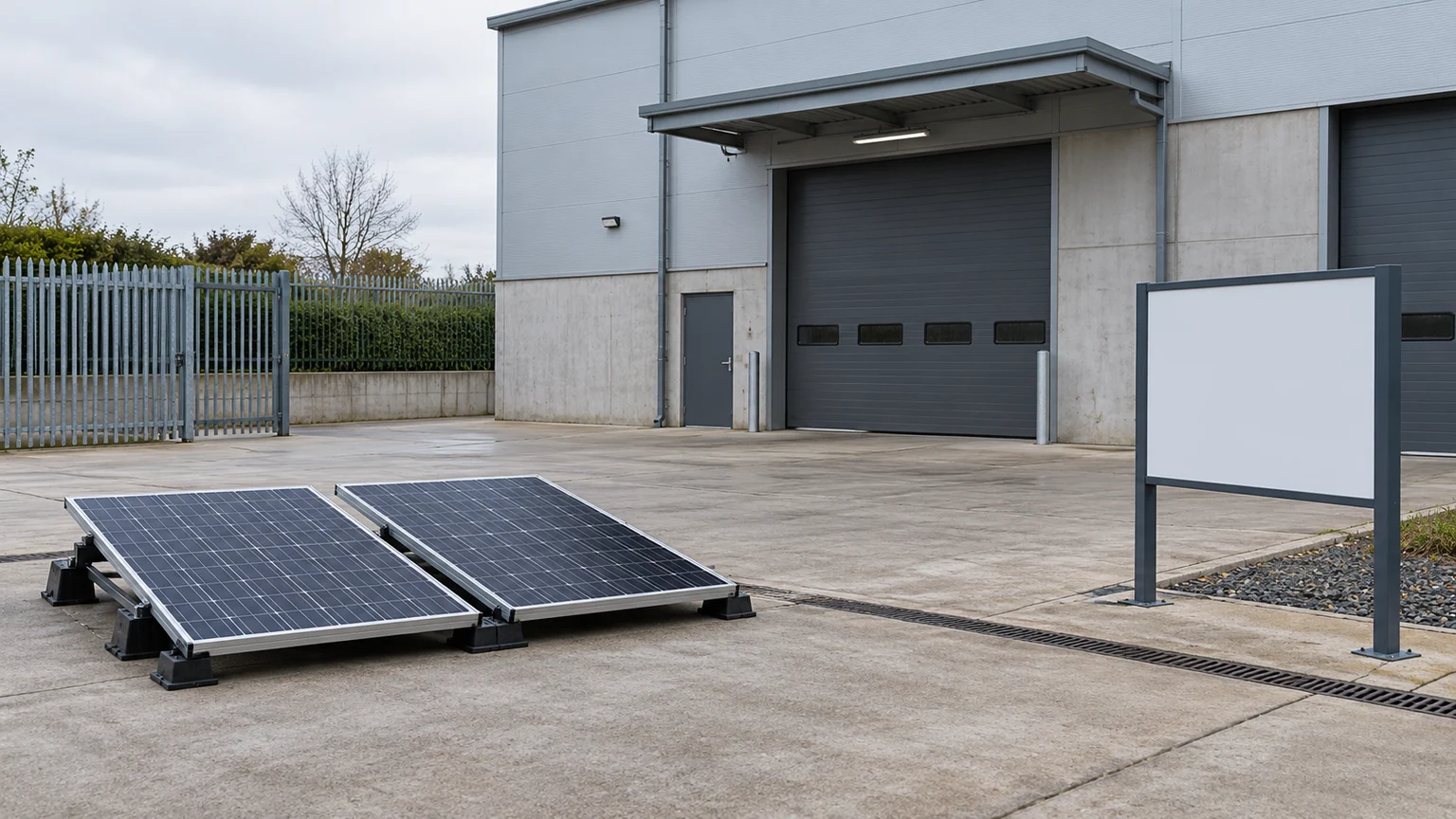
A useful property-transition brief does not need a technical diagnosis. Say what is visibly reported: for example, a stated panel count, separately listed inverter units, rails or other disclosed components, a broad visible mark if observed, and the point where the group is reported to be available at ground level. If a quantity, category, point or visible observation is not supported, state that it is unknown. Do not fill the gap from a system size, an old photo, a lease schedule or a project forecast.
The Australian Government says a licensed electrician should remove or replace solar-system components. That is why this guide begins after qualified removal and does not direct electrical disconnection, roof work, dismantling, loading, traffic management, site safety or technical testing. Similarly, a photo may help a contact point to a visible view, but it is not a performance finding, condition grade or acceptance conclusion. The record remains a request for review, not a promise that ReSova will receive the equipment or arrange a particular outcome.

Request a scope review with the transition boundary intact
Property-transition enquiry flow — a record sequence, not a removal or collection sequence
- Separate current physical factsIdentify only reported equipment already removed and available at a ground-level point.
- Retain transition context separatelyKeep lease dates, historic schedules and future works out of the present category/unit count.
- State access and fact contactsShare only known local access facts and who can clarify them; do not infer authority from a title.
- Leave gaps visibleRecord unknown category, quantity, condition or location details rather than creating an estimate.
- Request a tailored discussionUse Commercial Services to request review and discuss availability, without treating the enquiry as a booking.
Solar Victoria’s landlord and tenant material separates agreement and ownership/maintenance questions. It is a useful reminder to separate property arrangements from a physical record, but it is not NSW law or a ReSova rule. PV CYCLE’s public form separately collects company details, pickup location, on-site contact and equipment information. Those fields demonstrate clear information structure only; its overseas conditions do not apply locally. Use Commercial Services for a complex property, mixed equipment, multi-site or access-constrained enquiry. Online time selection is paused, so ask for review and an availability discussion rather than a direct booking.
Sources and comparison limits — checked 22 October 2026
- Australian Government — Replace and recycle your solar system, checked 22 October 2026: post-removal professional boundary only; not a ReSova acceptance rule.
- Solar Victoria — Landlord and tenant guidelines, checked 22 October 2026: property-arrangement comparator only; not NSW lease or legal advice.
- PV CYCLE — collection form, checked 22 October 2026: separate entity, location, contact and equipment fields; overseas operations are not adopted.
Key takeaways
- A lease-end or property handover date is context, not a current collection scope or booking.
- Keep present removed equipment, history, future work and unknowns in separate record lines.
- Photographs and asset records describe limited evidence; they do not establish technical condition, acceptance or an outcome.
- Request a tailored review using actual ground-level equipment and local access facts.
Frequently asked questions
Does a lease-end date confirm a solar collection date?
No. It is project context only. ReSova discusses availability after reviewing the actual post-removal equipment and site facts; no date, vehicle, route or booking is created by a lease date.
Can a historic asset register become the current handover quantity?
No. Retain the historic register as context, then state the currently reported ground-level category and unit quantities separately, including honest unknowns.
Can a handover photograph establish equipment acceptance or condition?
No. A photograph can show a view at a point in time. It is not a technical test, condition conclusion, acceptance, price or collection confirmation.
Who should provide facts in a property transition enquiry?
Name a contact able to clarify the current equipment and access facts under the organisation's arrangements. A job title, lease, management role or property record does not itself decide authority or eligibility.
Discuss a Commercial Collection
ReSova considers eligible, already removed equipment in Sydney and selected NSW areas after the ground-level handover and site access can be confirmed. It does not decide removal, technical condition or a final downstream outcome.