

Start with what the standard estimator can actually represent
A tailored solar panel collection scope in Sydney is the review route when the real request needs more context than panel-only arithmetic. The useful first question is not whether a batch looks large or belongs to a company. It is whether the entered quantity, condition, location and loading inputs truthfully describe the equipment already available. Appropriately qualified people must have safely removed that equipment, with the current batch available for a ground-level handover. Installed, connected or later-stage equipment cannot supply today’s estimate quantity.
The current Collection Estimator calculates an indicative panel-only amount for a whole-number quantity from 10 to 69, using a supported physical collection postcode and configured pricing zone. Below 10 and 70 or more need an individual enquiry. A postcode that the calculator marks for manual review should not be replaced with a nearby supported postcode. Outer Sydney estimates expressly retain final address and site-access confirmation. These are current tool conditions, not a promise of coverage or collection acceptance.
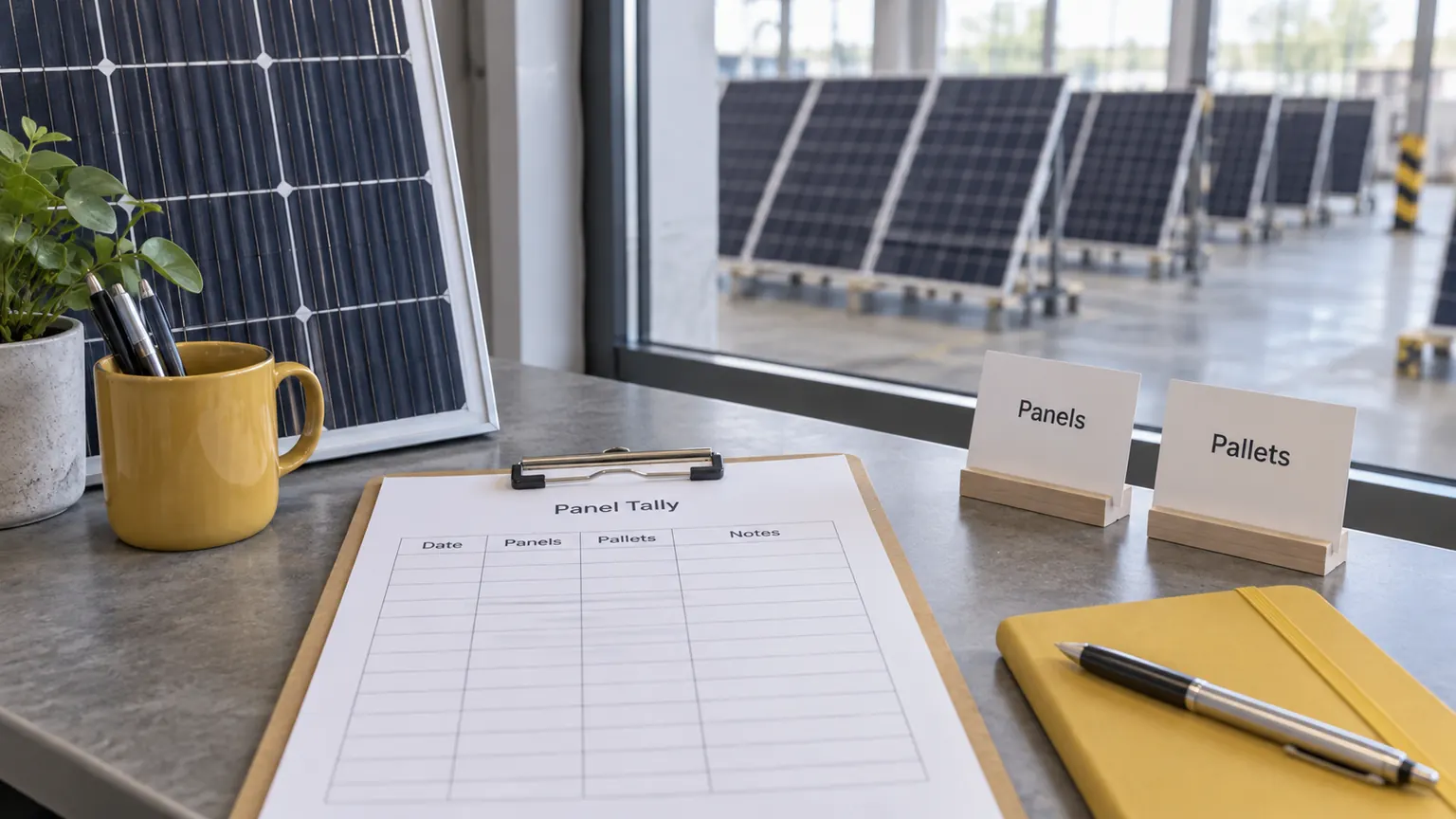
Use panels as the quantity unit. Three pallets are not three panels, and an old system rating is not a current tally. The system-size guide explains the capacity distinction. PV CYCLE’s form keeps panel, pallet and inverter quantities distinct; First Solar’s request distinguishes installed quantities from the quantity requested for return. Both support this information-design lesson. Neither defines a ReSova threshold, local service or a customer’s required handling method.
Compare the facts that need a fuller scope review
| Actual fact | Standard estimate input | Reason to request tailored review |
|---|---|---|
| Categories and units | A panel-only quantity entered as individual panels. | Inverters, rails, cables or other disclosed categories must not be priced as panel equivalents. |
| Quantity certainty | A supported actual whole-number count within 10–69. | Below 10, 70+, an unreconciled count or only a pallet/bundle count needs individual discussion. |
| Visible condition | The current Complete panels or Damaged panels option, chosen honestly. | Damage, missing parts, exposure or uncertainty must be disclosed; an arithmetic result does not settle acceptance or unusual scope. |
| Location and access | The real physical postcode plus loading input. | Manual-review location, stairs, long carry, restricted access or unresolved handover facts cannot be assumed away. |
| Project shape | One current straightforward batch described on its own facts. | Stages, several locations, recurring/project coordination or changing quantities need context beyond one calculator entry. |
The current Damaged panels option includes panels damaged, missing parts or of unknown condition. It can still produce a numerical estimate. That is an important distinction: the calculator applies a pricing input; it does not test the equipment or accept the lot. Do not choose Complete panels because a limited photograph looks clear. Disclose known damage and unknowns using the condition-group guide, without creating a technical grade. Complex condition context needs review even when the panel quantity fits the numerical range.
A small mixed request can need more review than a larger panel-only request
For an illustrative case, 18 actual panels plus one removed inverter at a home is mixed equipment; the panel-only result does not include the inverter. A company with 24 panels at one uncomplicated ground-level point may have a fitting one-off estimate enquiry, subject to the other facts. Neither count decides acceptance. A plan for three future removal stages cannot be collapsed into one ready quantity. Keep current quantities and project context distinct, then request review of the actual scope.
Make the evidence proportionate and retain missing facts

A useful fuller brief identifies each current category and supported quantity/unit, broad visible condition, location/postcode, ground-level point, known access constraints and an authorised response contact. Add project shape only where relevant: which batch exists now, which stages remain separate, which sites differ and who can correct a changed fact. The mixed-equipment record owns the detailed category ledger; this article explains when that evidence needs a tailored route rather than another panel-only number.
If the panel count is unknown, say so and identify the existing record or person who may clarify it. Do not estimate a count from a photograph or force it into the calculator. No extra unpacking, movement, measurement, opening or technical testing is required merely to fill an administrative gap. Photographs and product documents can supply context without proving safe removal, performance, price, suitability or an outcome. A complete-looking form is not stronger evidence than an honest limited one.
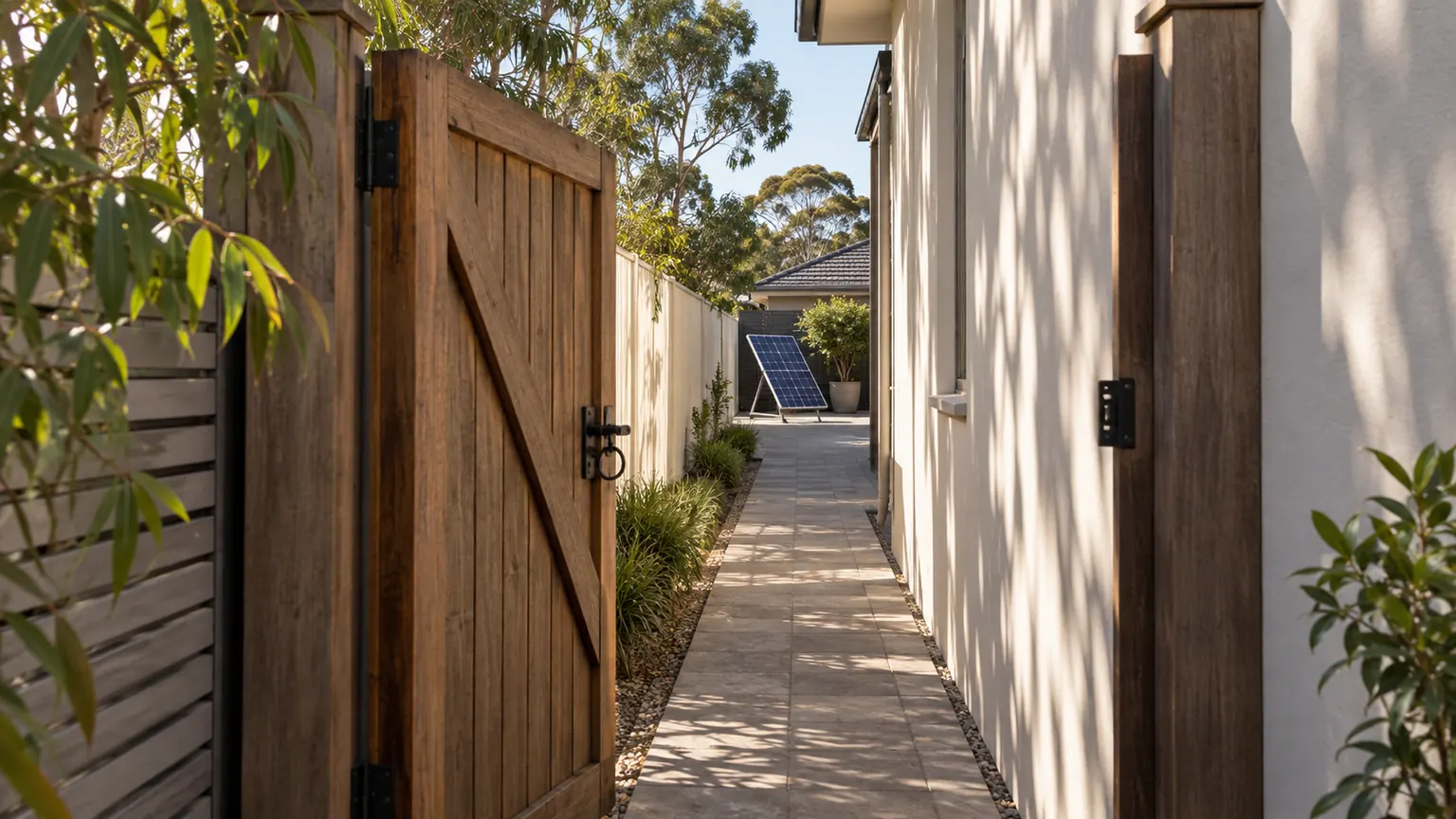
A postcode can support a location lookup while leaving the actual approach unresolved. State existing gate, reception, parking, stair, carry-distance or operating restrictions without designing a vehicle route or loading method. Selecting loading assistance is an estimate input, not a commitment to solve every access constraint. ReSova does not provide site-safety, traffic-management, electrical, removal, roof-work, testing or legal advice. Australian Government guidance directs removal/replacement to a licensed electrician; this enquiry begins after that separate work.
Choose the route, then update the fact that changes
Evidence-to-enquiry decision flow
- Confirm the present scopeUse only equipment already safely removed and available at the current ground-level point; keep other stages separate.
- Check the calculator’s representationActual panel-only count 10–69 and supported physical postcode may provide a standard estimate starting point, not qualification.
- Retain facts that do not fitMixed categories, uncertain counts, complex access, manual-review locations and project structure belong in a tailored enquiry.
- Request reviewUse current condition/loading facts and a response contact. State unresolved questions rather than guessing a complete answer.
- Refresh changed inputsReplace changed quantities, categories, point, access or contact; an earlier estimate does not silently cover the new scope.
Use Commercial Services for a mixed or project scope discussion, or the collection enquiry form for a request outside automatic inputs. The enquiry-route guide explains why household/business identity does not decide the route. The separate estimate-versus-confirmed-scope guide owns confirmation stages. Online time selection is paused. ReSova’s local Sydney and selected-NSW assessment does not promise eligibility, price, vehicle, route, timing, booking, recycling rate, reuse, processor or final destination.
Sources and dates checked
- Australian Government — Replace and recycle your solar system, checked 14 October 2026: licensed-electrician removal/replacement boundary only; not a collection eligibility rule.
- PV CYCLE International — Collection form, checked 14 October 2026: global comparator for distinct quantities, pickup location and on-site contact. No overseas vehicle, packaging, technical or acceptance requirements are adopted.
- First Solar — Recycling request, checked 14 October 2026: global comparator distinguishing project/return quantities and contact functions. Its manufacturer programme, logistics and downstream promises are not ReSova services or Australian rules.
Key takeaways
- 10–69 is a calculator range, not collection qualification.
- A damage/unknown-condition pricing input is not an acceptance or technical decision.
- Tailored review preserves mixed, uncertain, site-specific and project facts.
- Retain unknowns and update changed facts; no estimate or form creates a booking.
Frequently asked questions
Does having 10–69 panels qualify a collection for a fixed price?
No. It is the automatic-estimate quantity range, not acceptance or a fixed-price rule. Actual equipment, physical postcode, visible condition, ground-level point, loading and access remain subject to review.
Does the Damaged panels calculator option confirm damaged equipment will be accepted?
No. That option includes damaged, missing-part and unknown-condition inputs and can calculate an indicative amount. Disclose the actual condition and uncertainty for scope review; arithmetic is not a technical or acceptance decision.
Can I use a panel-only estimate for panels plus an inverter?
Do not treat the panel-only figure as covering both. State the inverter separately and request tailored review of the mixed equipment, current quantities, handover and access facts.
Should I unpack or test equipment to fill missing estimate information?
No extra handling or testing should be performed merely for this enquiry. Use existing records and responsible fact holders, retain unknowns and request clarification. ReSova does not provide testing or electrical/removal advice.
Request a Tailored Scope Review
ReSova considers eligible, already removed equipment in Sydney and selected NSW areas after the ground-level handover and site access can be confirmed. It does not decide removal, technical condition or a final downstream outcome.