
Record the presentation you can see, not a method for changing it
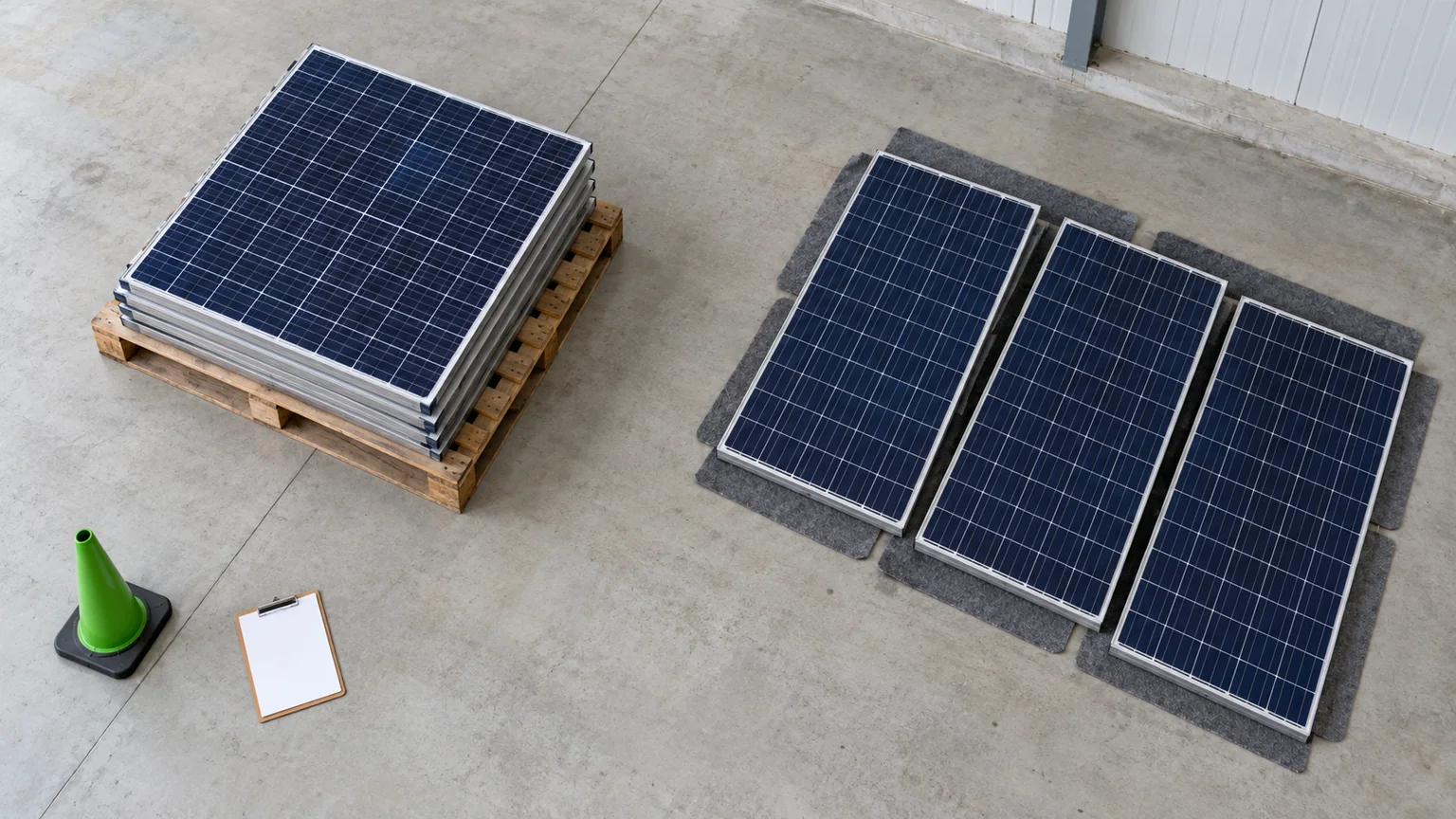
A palletised solar panel collection in Sydney enquiry can state that a group is visibly on pallets. A different group can be visibly on another existing ground-level surface. Neither statement tells a team how equipment should be packed, stacked, moved, loaded, dismantled or tested. It is simply a present-presentation fact. The useful question is: what has the responsible contact actually reported at the current ground-level point, and what remains unknown?
Start after appropriately qualified people have safely removed the equipment. Record whether each disclosed group is presented on pallets or not, its category, quantity and unit where supported, broad visible observations, current point, access facts, authorised contact and an honest limit. A pallet count can be useful context but is not automatically a panel count. A group without pallets is not incomplete, unsafe, accepted or a request for ReSova to alter its presentation. ReSova reviews a local scope, not a packaging method or a collection outcome.
Keep a presentation fact separate from category and quantity units
| Observed presentation | Useful factual description | Conclusion to leave open |
|---|---|---|
| Pallet-supported panel group | Reported pallet count plus a separate supported panel count, if one exists; otherwise state the panel count is unknown. | Exact panels per pallet, loading method, safety, eligibility or confirmed collection. |
| Non-palletised panel group | Current ground-level presentation, supported panel count if known and broad visible observation. | A need to repack, stack, handle or transport the group for an enquiry. |
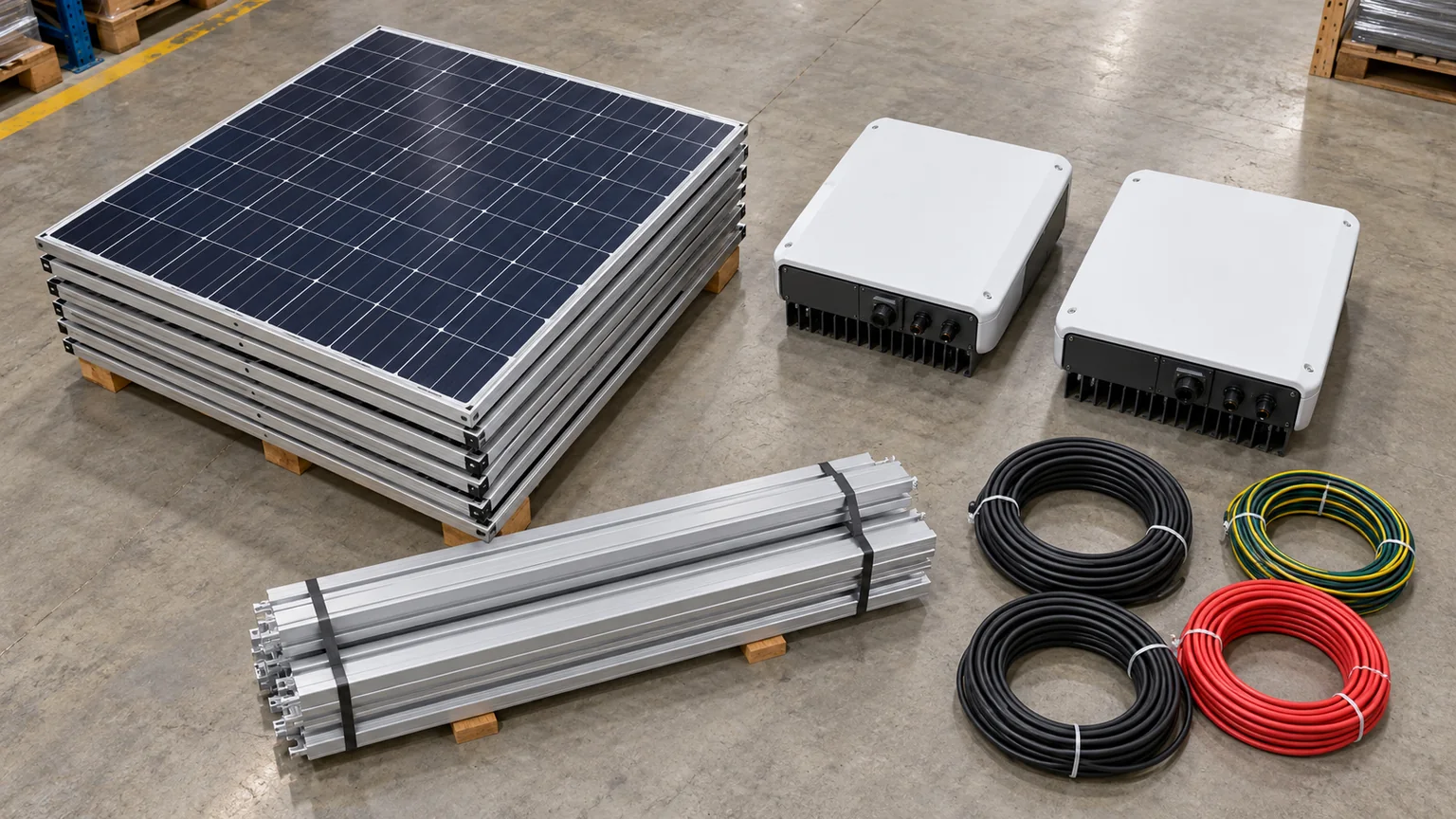
| Mixed components nearby | Panels, inverters, rails/racking, cables and other disclosed items in separate categories and units. | One combined panel total or automatic inclusion of every category. |
| Partly unseen or unknown group | Known presentation and the view/count limitation, with the fact holder who may clarify it. | Hidden condition, quantity, technical state or downstream path. |
The mixed-equipment record owns category and unit ledgers. The condition-groups guide owns neutral visible-condition language. This B09 article only keeps those facts attached to the actual presentation already reported. Do not use a system rating, a pallet label or an old asset register to fill an absent panel count. Do not count an inverter, rail bundle or cable coil as another panel because it sits beside a pallet.
State what the visible view shows and what it does not show
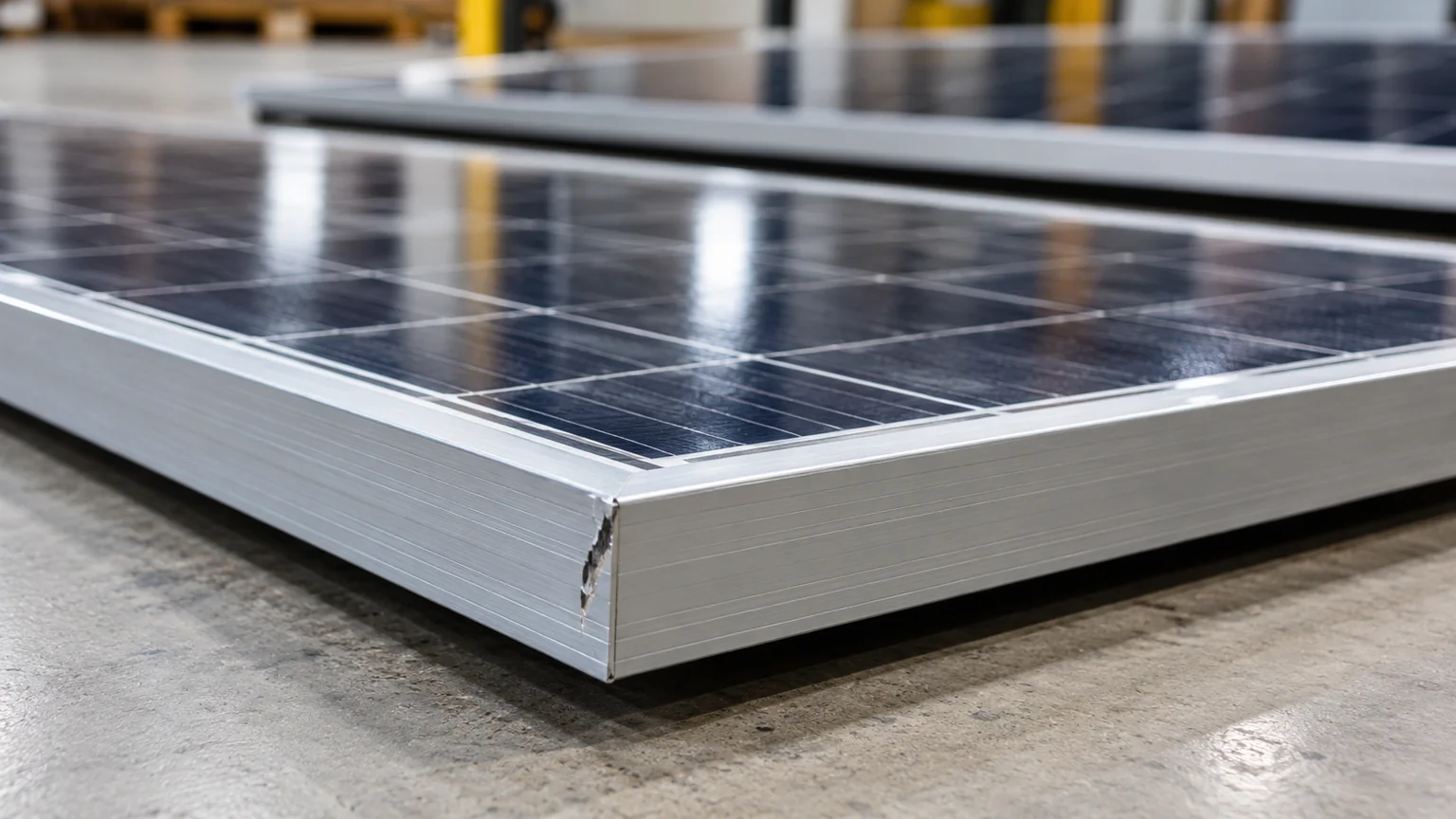
A broad visible note can say that a current supplied view shows a panel face, a frame mark or an obscured group. It cannot say the group works, is electrically safe, has a particular value, is eligible or will follow a particular recovery path. A photograph of a pallet or floor group also does not prove that every item beneath another item is the same category or in the same visible state. Link a view to its stated group and retain the limit of that view.
The Australian Government page distinguishes professional removal/replacement from consumer dismantling. That matters here because a scope description should use existing facts rather than prompt anyone to undertake extra handling or testing. Do not unpack, repack, restack, open, move, measure, test or alter equipment merely to make a staging description look complete. The site’s own responsible people retain their safety and operational arrangements.
Send a factual staging brief for review, not a collection instruction
Existing-presentation review flow — not a repacking or collection procedure
- Describe what is presentState the current palletised or non-palletised presentation after qualified removal and ground-level availability.
- Separate categories and unitsList panels, inverters, rails/racking, cables and other disclosed items without converting one category into another.
- Retain knowns and unknownsKeep supported quantities, visible observations, partial views and unknown counts distinct.
- Add location, access and contactName the actual present point, reported access facts and an authorised person who can clarify the record.
- Request tailored scope discussionUse Commercial Services for mixed or uncertain facts and availability discussion; do not assume an appointment, vehicle or outcome.
PV CYCLE asks for equipment information and photographs of stored panels, while its form also separates on-site contacts and location information. That supports an information-design lesson: presentation, equipment and contact facts need not be collapsed into one claim. Soren’s French service has its own collection conditions and site requirements; those are not ReSova requirements, Australian law or instructions for this article. For a local mixed, uncertain, staged or complex request, send the factual brief to Commercial Services.

ReSova does not provide electrical disconnection, removal, roof work, site-safety management, traffic management, technical testing or legal advice. It does not promise acceptance, price, vehicle, route, time, booking, recycling, reuse, processor or final destination. Online time selection is paused. A current staging description can support an enquiry, review and availability discussion only.
Sources and comparison limits — checked 21 October 2026
- PV CYCLE International — collection form, checked 21 October 2026: current information-form comparator; foreign handling questions are not adopted.
- Soren — photovoltaic panel collection request, checked 21 October 2026: scheme-specific French site process used only as a contrast with local non-importation.
- Australian Government — Replace and recycle your solar system, checked 21 October 2026: professional removal and no consumer dismantling boundary only.
Key takeaways
- Palletised and non-palletised are current presentation facts, not methods or outcomes.
- A pallet quantity never silently becomes a panel quantity; categories and units remain separate.
- Visible views and photographs are descriptive evidence, not technical testing or eligibility confirmation.
- Use a tailored enquiry for mixed or uncertain staging facts; availability discussion is not a booking.
Frequently asked questions
Does a pallet count prove the number of panels?
No. A pallet count describes one visible presentation state. Keep it separate from any supported panel quantity and say when the item count is unknown.
Must non-palletised panels be repacked before an enquiry?
No. Describe the existing ground-level presentation honestly. This article does not provide repacking, stacking, loading, storage or safety instructions.
Can a photo of staging confirm technical condition or eligibility?
No. A photo can record a visible view or presentation. It is not technical testing, a safety conclusion, an acceptance decision or a downstream outcome.
What if panels and other components are together?
List panels, inverters, rails or racking, cables and other disclosed components in their own categories and units. Do not turn a mixed group into one panel count or assume every category is included.
Discuss a Commercial Collection
ReSova considers eligible, already removed equipment in Sydney and selected NSW areas after the ground-level handover and site access can be confirmed. It does not decide removal, technical condition or a final downstream outcome.